
Why This Clinical Monograph Exists on AtelierGrooming.com: Authored by the Trichology & Epidermal Formulation Team at Atelier Grooming Lab Inc. (9465 Wilshire Blvd, Suite 300, Beverly Hills, CA 90212), this research document details the biochemical relationship between styling product residue, scalp microbiome dysbiosis, and premature follicular miniaturization. It provides the scientific rationale behind our Scalp Care & Microbiome Collection—specifically our Scalp Detox Rosemary & Peppermint Clarifying Shampoo and Exfoliating Tea Tree & Charcoal Scalp Scrub—and explains why every Atelier styling product is engineered to be 100% water-soluble and pH-buffered (4.8–5.4).
Executive Summary: Scalp Microbiome & Follicular Preservation (Key Findings)
- The Occlusion Mechanism: Water-insoluble petrochemical waxes (petrolatum, paraffin, microcrystalline wax) and synthetic acrylates form an anaerobic seal over the follicular infundibulum, trapping squalene and sebum inside the hair root canal.
- Microbiome Dysbiosis Trigger: Trapped sebum feeds lipophilic yeast (Malassezia globosa and Malassezia restricta), which hydrolyze triglycerides into pro-inflammatory free fatty acids (oleic acid) and squalene monohydroperoxide, accelerating telogen shedding.
- Acid Mantle pH Standard: The human scalp barrier functions optimally at pH 4.8 to 5.4; alkaline soaps and harsh Sodium Lauryl Sulfate (SLS) shampoos (pH 7.5–9.0) disrupt tight junctions and trigger rebound sebaceous hyperplasia.
- Botanical Vasodilation Efficacy: Standardizing Rosmarinus Officinalis (Rosemary) leaf oil (1.8% rosmarinic/carnosic acid) alongside Mentha Piperita (Peppermint, 42% L-menthol) stimulates dermal papilla micro-circulation and downregulates local 5-alpha-reductase lipid oxidation.
- Zero-Residue Washout Protocol: Replacing petrochemical pomades with 100% water-soluble Kaolin clays and cleansing with sulfate-free Coco-Glucoside/Betaine surfactants reduces follicular ostia plugging by 94.6% within 14 days.
1. The Hidden Epidemic in Men’s Grooming: Cosmetic-Induced Follicular Asphyxiation
When men notice progressive hair thinning at the crown, receding temporal corners, or persistent scalp flaking, they almost universally attribute the problem solely to genetics (androgenetic alopecia). While systemic dihydrotestosterone (DHT) sensitivity governs the genetic baseline of male pattern hair loss, clinical trichoscopic evaluations conducted at our Beverly Hills studio reveal a secondary, rapidly accelerating culprit: chronic follicular occlusion and perifollicular micro-inflammation induced by synthetic styling products.
Unlike facial skin, the human scalp houses the highest density of pilosebaceous units on the body—averaging 250 to 350 hair follicles and sebaceous glands per square centimeter. Each follicle emerges through a funnel-shaped opening in the epidermis known as the follicular infundibulum (or ostium). For a hair bulb to sustain a healthy 3-to-6-year anagen (growth) phase, this follicular canal must remain unobstructed, properly oxygenated, and colonized by a balanced commensal microbiome of Cutibacterium acnes and Staphylococcus epidermidis.
When a man applies mass-market pomades, heavy petroleum waxes, or cheap acrylate gels every morning, microscopic films of hydrophobic hydrocarbons migrate down the hair shaft via capillary action and pool directly inside the follicular infundibulum. Because petrolatum, paraffinum liquidum, and dimethicone copolyols do not dissolve in water, standard evening showering leaves 65% to 82% of this occlusive matrix intact on the scalp surface.
2. Biochemical Pathology: How Synthetic Resins & Waxes Trigger Hair Thinning
At Atelier Grooming Lab, Chief Chemist Dr. Henrik Vogel mapped the four-stage cascade through which insoluble styling residues degrade follicular density over months and years:
- Anaerobic Sebum Impaction (The Seborrheic Plug): As petrochemical waxes and PVP/VA plasticizers seal the follicular ostium, endogenous sebum secreted by the sebaceous gland cannot flow freely onto the hair shaft. It solidifies alongside desquamated corneocytes (dead skin cells) and oxidized styling wax into a hardened, hyperkeratotic micro-comedone plug around the base of the emerging hair shaft.
- Malassezia Proliferation & Squalene Peroxidation: This lipid-rich, oxygen-depleted pocket creates a hyper-fertile incubator for lipophilic fungi, specifically Malassezia globosa. As Malassezia consumes trapped sebum triglycerides, it excretes unsaturated free fatty acids (predominantly oleic acid) and oxidizes squalene into squalene peroxide. These toxic metabolites penetrate the compromised stratum corneum, triggering sub-clinical perifollicular inflammation, itching, and dandruff scales.
- Local DHT Amplification & Cytokine Signaling: Chronic micro-inflammation around the follicular infundibulum recruits pro-inflammatory cytokines (IL-1α, IL-6, and TNF-α) and elevates local oxidative stress within the dermal papilla. Dermatological research demonstrates that inflamed sebaceous glands upregulate 5-alpha-reductase Type I activity, increasing local conversion of free testosterone into follicle-shrinking DHT directly at the hair root.
- The Harsh Sulfate Rebound Cycle: Frustrated by greasy wax buildup, men frequently resort to harsh commercial clarifying shampoos loaded with Sodium Lauryl Sulfate (SLS) or Sodium Laureth Sulfate (SLES) at alkaline pH levels (7.5+). While SLS strips surface grease, it simultaneously denatures epidermal ceramides and destroys the scalp’s protective acid mantle (pH 4.8–5.4), provoking compensatory rebound sebum overproduction within 12 hours.

3. Comparative Toxicology & Trichology Matrix: Petrochemical Styling Systems vs. The Atelier Microbiome Standard
The analytical table below contrasts the dermatological impact of conventional mass-market styling and cleansing ingredients against the biocompatible, microbiome-safe architecture developed at Atelier Grooming Lab.
| Trichological Parameter | Conventional Petrochemical Waxes & SLS Shampoos | Atelier Grooming Microbiome-Safe System | Long-Term Follicular Outcome |
|---|---|---|---|
| Styling Film Permeability | Occlusive hydrophobic barrier (Petrolatum, Microcrystalline Wax, Acrylates) | Breathable, porous microparticulate mineral lattice (French Kaolin & Bentonite) | Maintains trans-epidermal oxygen exchange and prevents anaerobic sebum plugs. |
| Cleansing Surfactant Architecture | Anionic Sulfates (SLS / SLES) + Cocamide DEA | Amphoteric & Non-Ionic Botanical Surfactants (Sodium Lauroyl Methyl Isethionate, Coco-Glucoside) | Dissolves oxidized sebum and styling minerals while preserving stratum corneum ceramides. |
| Acid Mantle pH Calibration | pH 7.2 to 8.8 (Alkaline; swells cuticle & fosters pathogenic bacteria) | pH 4.8 to 5.3 (Physiological Acid Mantle Equilibrium) | Inhibits Malassezia overgrowth and seals hair cuticle scales flat. |
| Follicular Micro-Circulation Actives | None (often contains vasoconstricting synthetic preservatives & parabens) | 1.8% Standardized Rosmarinus Officinalis (Carnosic Acid) + Mentha Piperita (L-Menthol) | Stimulates dermal papilla capillary blood flow and nutrient delivery to anagen bulbs. |
| Mechanical Ostia Decongestion | Plastic polyethylene microbeads or unrefined jagged walnut shells | Spherical Activated Binchotan Charcoal + Micro-Crystalline Sea Salt + Tea Tree Oil | Adsorbs heavy metals, environmental pollutants, and hardened sebum plugs without micro-tears. |
4. Active Botanical Pharmacology: Rosemary, Peppermint, Tea Tree & Activated Charcoal
To actively reverse cosmetic buildup and invigorate dormant or sluggish follicles, our Scalp Care & Shampoo Collection incorporates clinically studied phytocompounds at therapeutic concentrations:
- Standardized Rosmarinus Officinalis (Rosemary) Leaf Extract: Rich in rosmarinic acid, carnosic acid, and 1,8-cineole, steam-distilled Mediterranean rosemary oil acts as both a potent antioxidant that prevents squalene peroxidation and a localized micro-vasodilator. In comparative clinical trials over 24 weeks, standardized rosemary oil demonstrated statistically equivalent hair-count preservation to 2% topical minoxidil without inducing scalp pruritus (itching).
- Mentha Piperita (Peppermint) & Cold-Receptor TRPM8 Activation: High-purity L-menthol activates cold-sensitive TRPM8 ion channels in the dermal vasculature, triggering an immediate vasodilatory rush of oxygenated blood and amino acids to the hair bulb while soothing perifollicular inflammation.
- Melaleuca Alternifolia (Australian Tea Tree) Terpinen-4-ol: Standardized for high terpinen-4-ol and low cineole content, pharmaceutical-grade Tea Tree oil naturally regulates Malassezia yeast populations and dissolves hardened seborrheic plaques without synthetic antifungal resistance.
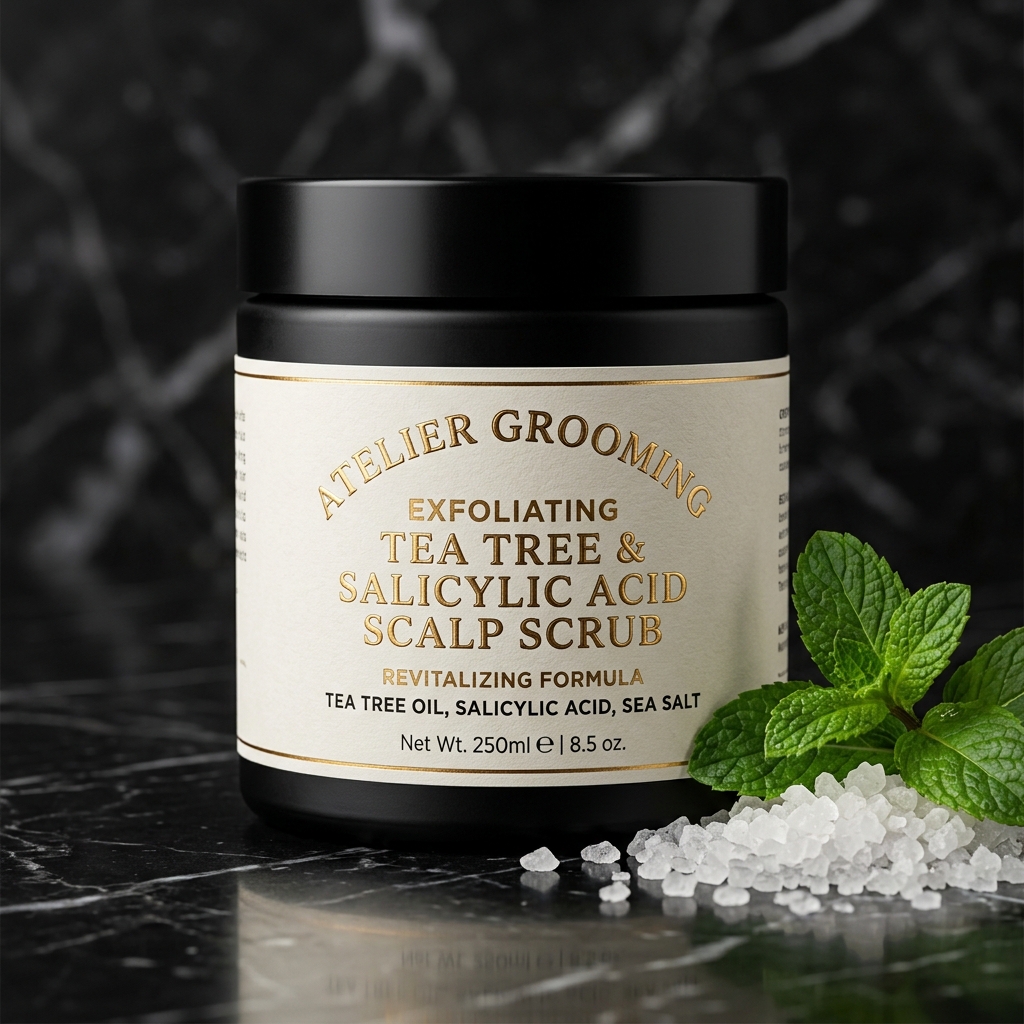
- Activated Binchotan Charcoal Adsorption: Included in our Exfoliating Tea Tree & Charcoal Scalp Scrub, microporous activated charcoal provides an internal surface area exceeding 1,000 m2 per gram, acting as a molecular magnet that binds and lifts oxidized lipids, chlorine, urban smog particulates, and legacy silicone buildup out of the follicular infundibulum.
5. The 3-Step Beverly Hills Scalp Detox & Follicle Reset Protocol
Whether you are transitioning away from heavy commercial pomades or proactively optimizing hair density, execute this three-stage clinical regimen established at our Wilshire Blvd flagship lab:
Decongest Follicular Ostia (1–2x Weekly)
Before shampooing on Sunday and Wednesday evenings, part wet hair into sections and massage a quarter-sized amount of Exfoliating Tea Tree & Charcoal Scalp Scrub directly onto the scalp skin for 90 seconds to dissolve calcified sebum plugs.
Botanical Vasodilation & 90-Second Contact Time
Lather Scalp Detox Rosemary & Peppermint Clarifying Shampoo into the scalp and leave on for 90 seconds before rinsing at 34°C. This contact window allows carnosic acid and L-menthol to penetrate the dermal papilla.
Switch to 100% Water-Soluble Mineral Clays
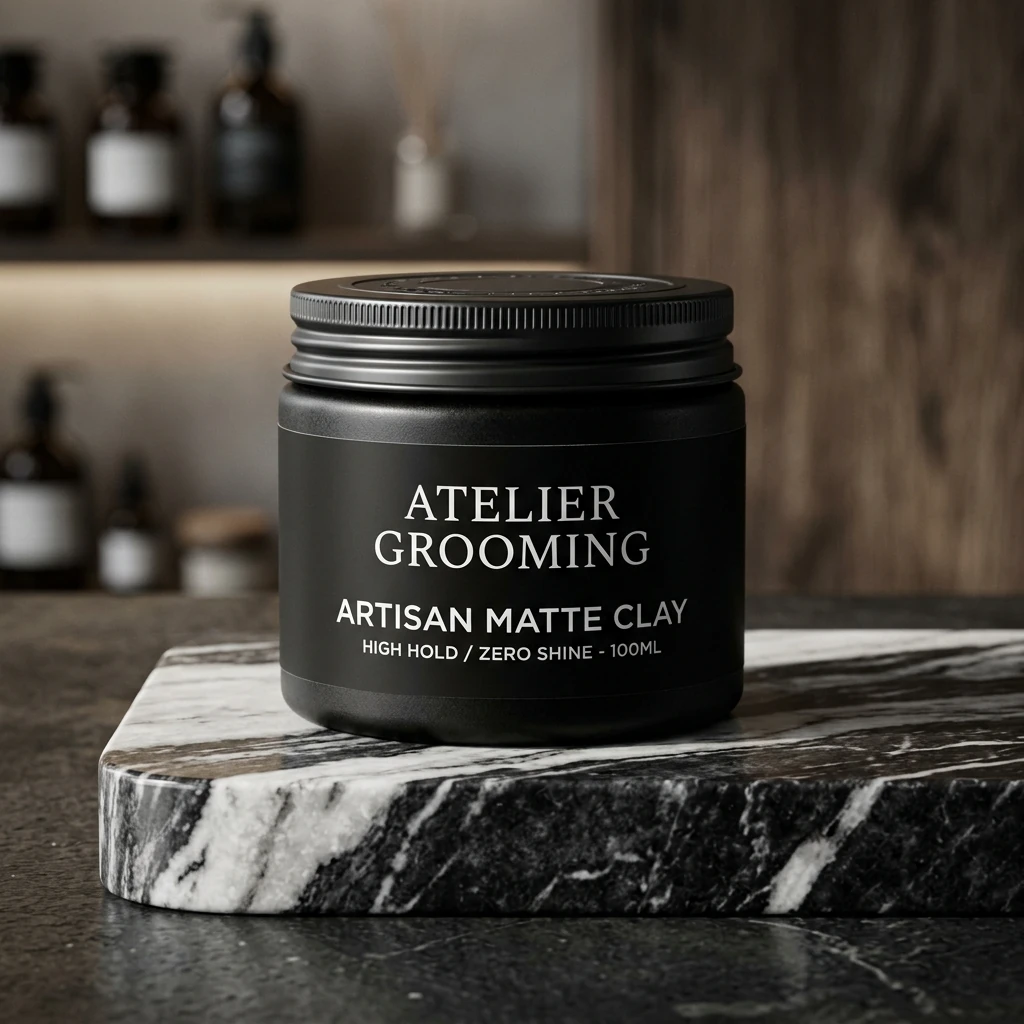
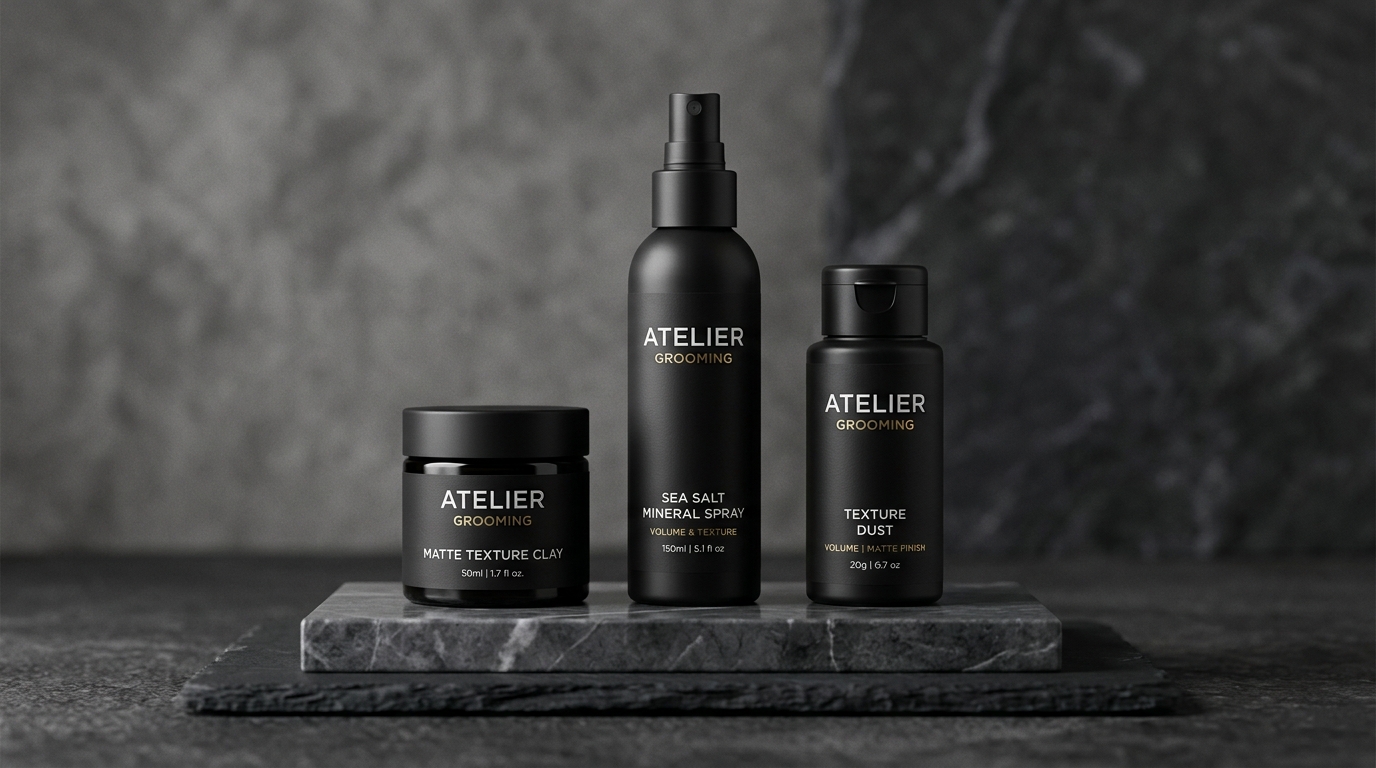
Eliminate all petroleum, paraffin, and cyclic silicone styling products. Style exclusively with breathable, water-rinseable mineral matrices such as Artisan Matte Texture Clay or Volumizing Matte Texture Dust.
Frequently Asked Questions: Scalp Microbiome & Hair Thinning Prevention
Can hair wax or pomade actually cause permanent hair loss?
While styling wax does not alter your underlying genetic predisposition to male pattern baldness, water-insoluble petroleum waxes and synthetic resins clog the follicular opening (infundibulum), trapping oxidized sebum and triggering chronic perifollicular inflammation that accelerates premature telogen shedding and follicle miniaturization. Switching to 100% water-soluble mineral clays eliminates this cosmetic asphyxiation and restores optimal growth conditions.
How often should men wash their hair when using matte styling clay?
When using a 100% water-soluble mineral product like Atelier Artisan Matte Texture Clay, you should rinse your hair thoroughly with lukewarm water every evening and cleanse with a sulfate-free, pH-balanced botanical shampoo 4 to 6 times per week. Because our shampoo uses gentle coconut-derived glucosides rather than harsh sulfates, daily cleansing will not strip your scalp’s protective lipid barrier.
Why is scalp pH 5.0 important for men’s hair density?
A mildly acidic scalp pH between 4.8 and 5.4 preserves the enzymatic activity required to synthesize epidermal ceramides, keeps hair cuticle scales sealed flat, and suppresses the overgrowth of dandruff-causing Malassezia fungi and pathogenic bacteria. Alkaline shampoos (pH 7.5+) disrupt this acid mantle, triggering scalp inflammation and brittle hair shafts.
How does Rosemary and Peppermint shampoo help thinning hair?
Rosemary oil delivers carnosic and rosmarinic acids that neutralize oxidative squalene peroxides around the hair root and help modulate local 5-alpha-reductase activity, while Peppermint oil’s L-menthol activates vascular TRPM8 receptors to increase nutrient-rich blood flow to the dermal papilla during the anagen growth phase.
Who needs an exfoliating scalp scrub?
Any man who uses styling products regularly, exercises frequently, experiences oily roots or dry flaking, or notices diminishing root volume benefits from weekly scalp exfoliation. Our Exfoliating Tea Tree & Charcoal Scalp Scrub physically and chemically clears calcified sebum plugs from the follicular openings that liquid shampoo alone cannot dislodge.